
US Midterm Election Results Shake Markets
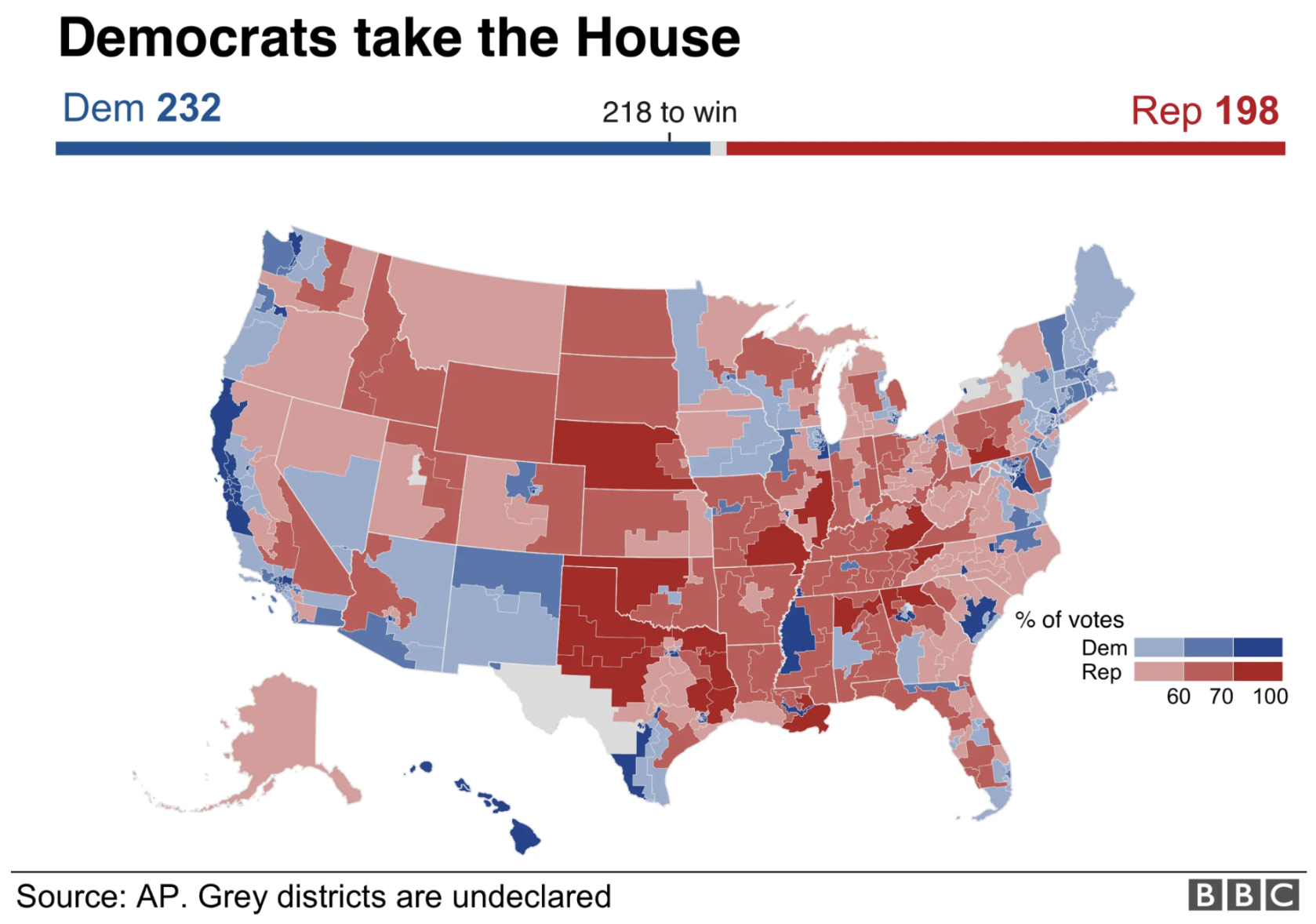
The Democrats recently won the US midterm elections, securing control of both houses of Congress. For those unfamiliar with US politics, midterm elections determine which party controls Congress (the legislative branch of the US government). Although the President remains unchanged, a Democrat-controlled Congress means it could become more difficult for Trump to pass some of his proposed legislation.
One of Trump’s ambitious policy goals has been to deregulate AI. In July 2025, his administration released America’s AI Action Plan, which called for fewer regulatory barriers to AI development. Trump’s rationale was that he did not want any foreign nation to beat the US in the AI boom, implying that American AI development needed to outpace China’s. In contrast, Democrats have generally expressed support for tighter AI regulation, particularly over concerns that AI could collect personal data without consent.
With Democrats gaining control of Congress, the US AI sector could face greater regulatory scrutiny and potentially higher compliance costs, reducing profitability. This has contributed to uncertainty among investors, although concerns about AI valuations and future earnings have also weighed on technology shares.
The election result has also influenced global oil prices, with Brent crude falling 8.7% immediately following the election. To understand why, we need to take a closer look at US politics.
The Trump administration has spent more than US$47 billion on military equipment, operational costs and other expenses associated with the war in Iran. Many Democratic lawmakers have pushed for a reduction in military spending, urging Trump to prioritise domestic affairs.
Expectations of reduced US involvement in the conflict could lower the risk of disruptions to Middle Eastern oil supplies. This, in turn, reduces the risk premium built into Brent crude prices, placing downward pressure on global oil prices.

RBA Hikes Interest Rates
On November 3, the RBA raised the cash rate by 25 basis points, from 4.60% to 4.85%, making it the highest cash rate since 2008. This follows a rise in inflation, with annual CPI increasing from 4.0% in August to 4.3% in September.
One of the key contributors to inflationary pressures has been rising oil prices. But we all know that the RBA is powerless when it comes to global oil shocks. So, that begs the question: why is the RBA raising interest rates, especially when economic growth is already slowing?
Slow economic growth and high inflation are a dangerous combination known as stagflation. Australia experienced significant stagflationary pressures during the 1970s, when geopolitical tensions triggered a sharp increase in oil prices alongside rising unemployment.
The good news is that Australia’s relatively low unemployment rate of around 4.7% means we are not currently experiencing full-blown stagflation. However, economists have warned of a possible ‘stagflationary impulse’, suggesting that the economy could face growing pressure from both inflation and slowing growth.
The RBA’s goal is not to reduce global oil prices. Rather, its concern is that higher oil prices, and consequently higher business costs, will lead to further price increases. Workers may then demand higher wages to compensate for the rising cost of living, potentially triggering a wage-price spiral.
Economists remain divided over whether the latest rate rise was the right move. For instance, James Morley, an academic at the University of Sydney, has emphasised the risk of inflation becoming entrenched in expectations, highlighting the importance of contractionary monetary policy in keeping inflation under control.
Others argue that the RBA should have waited for previous rate rises to work their way through the economy before tightening monetary policy further.
Albanese Criticises RBA’s Rate Rise
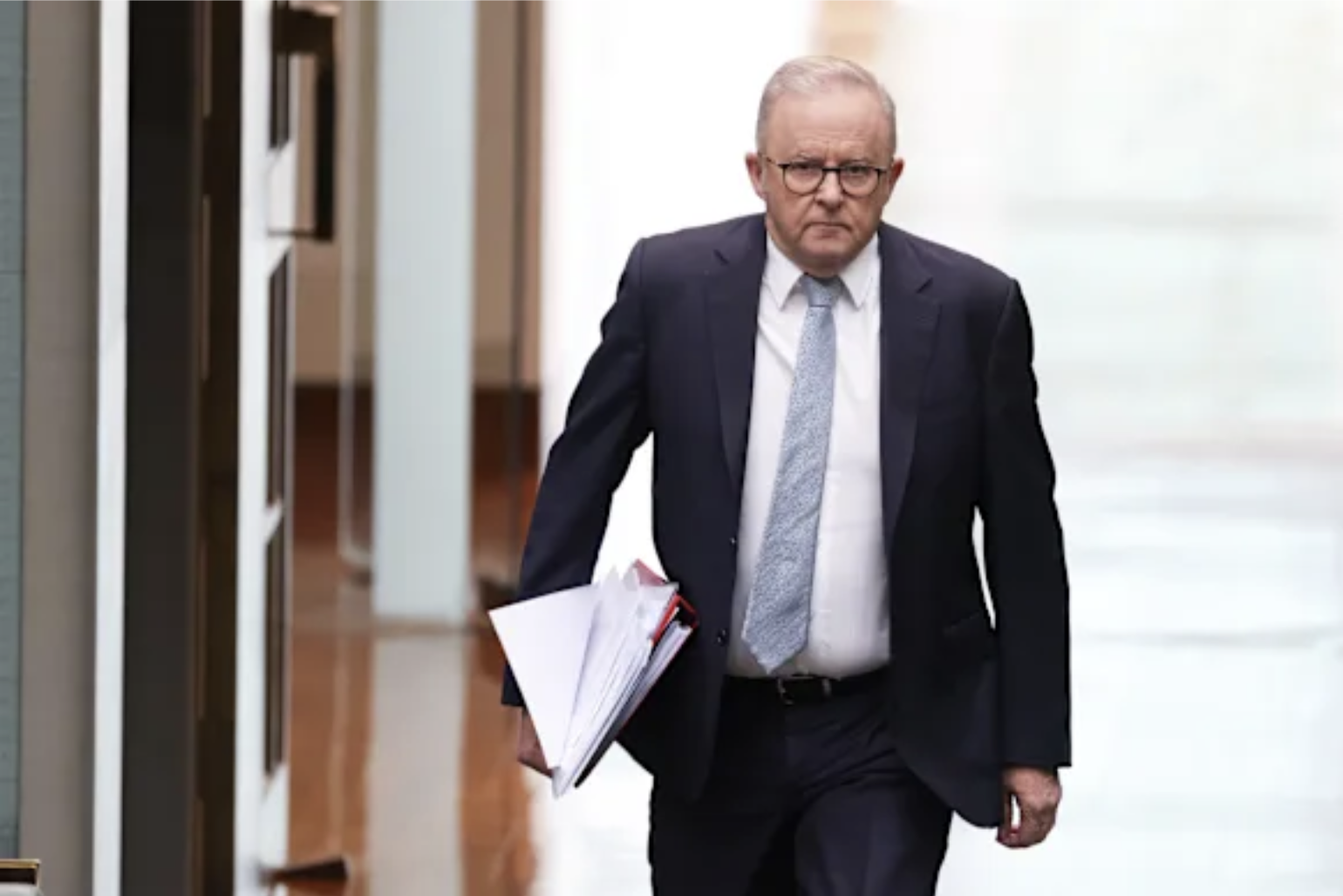
Albanese has criticised interest rate hikes as a ‘blunt instrument’, arguing that they place an unfair burden on households with mortgages.
This ‘blunt instrument’ argument is one of the key limitations of monetary policy discussed in Topic 4 of HSC Economics. An increase in interest rates affects the broader economy, rather than targeting a specific group or the underlying causes of inflation.
Despite Albanese’s efforts to distance himself from the RBA’s decisions, the Opposition has been quick to blame Labor’s economic management for contributing to inflationary pressures.
The Coalition has criticised Labor’s spending on manufacturing development, housing programmes and tax concessions, arguing that excessive government expenditure has fuelled higher aggregate demand (AD), thereby contributing to inflation.
This highlights an ongoing debate over the effectiveness of Australia’s macroeconomic policy mix, particularly whether fiscal policy is working alongside monetary policy to contain inflation.
Australia Records a Trade Surplus
The ABS recently published Australia’s international trade figures for September, revealing a goods trade surplus of A$2.83 billion. This represents a significant increase from just A$180 million in August, driven by both an increase in exports and a decline in imports.
One of the key contributors was a 6.6% increase in the value of other mineral fuel exports, a category largely comprising liquefied natural gas (LNG).
The sharp rise in oil prices following tensions in the Middle East has encouraged many nations to seek alternative sources of energy. While LNG and oil are not perfect substitutes, both can be used in electricity generation and certain industrial processes, making LNG an attractive alternative in some circumstances.
Furthermore, the value of Australian metal exports rose by 23.5% in September, coinciding with China’s continued investment in advanced manufacturing and technology.
The Chinese government has launched a national venture capital guidance fund with an estimated investment scale of 1 trillion yuan as part of its broader push to strengthen emerging industries. This aligns with China’s 15th Five-Year Plan (2026–2030), which places significant emphasis on technological development.
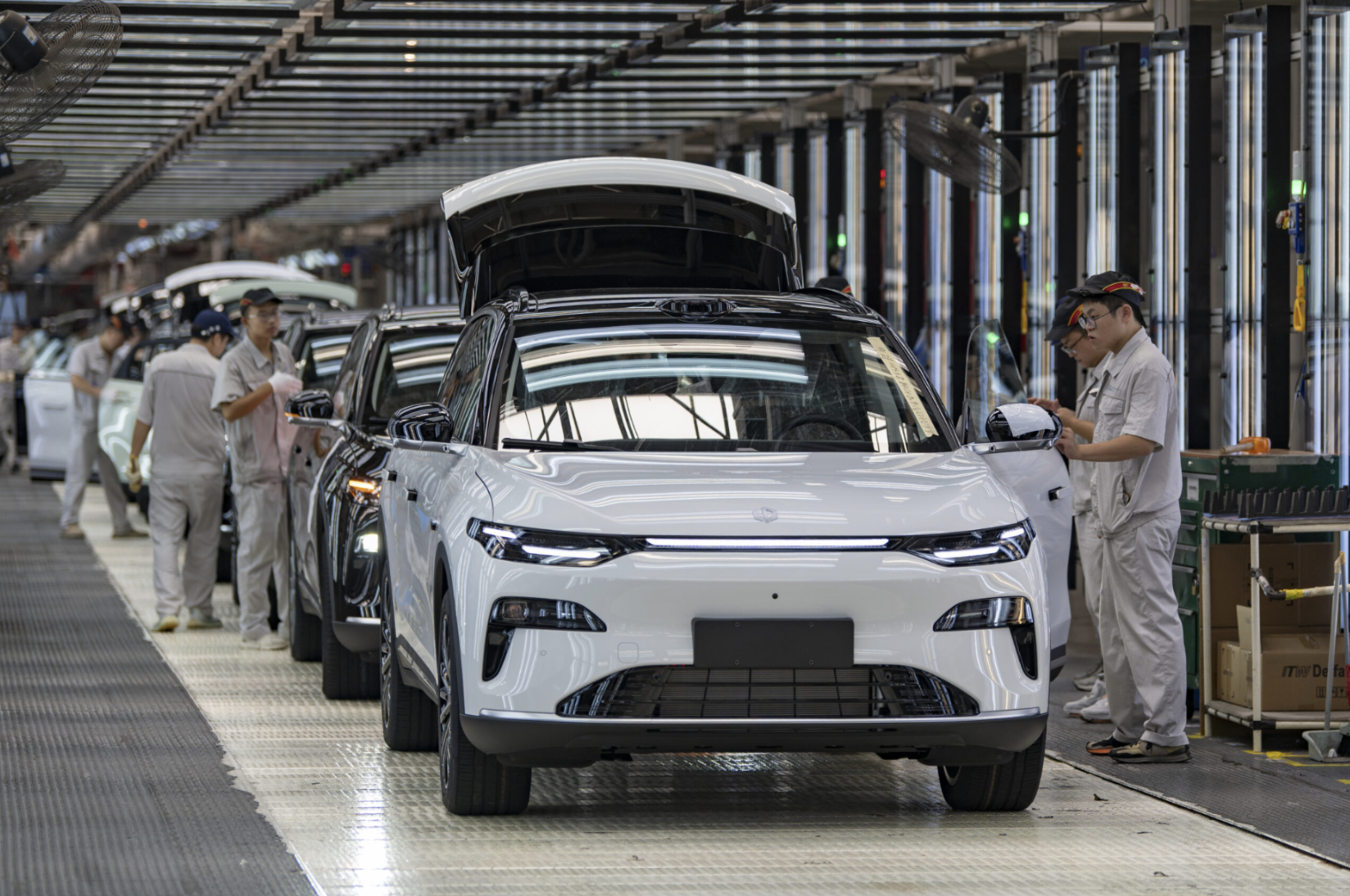
China’s growing advanced manufacturing sector, particularly its electric vehicle (EV) and AI industries, could create further opportunities for Australian exporters.
Both industries rely heavily on materials such as lithium, copper and other metals to produce batteries, robots and electronic components. As these industries expand, demand for Australian commodities could increase, supporting export revenue and Australia’s trade balance.
However, LNG cannot directly replace oil in conventional petrol-powered cars, meaning that the benefits of higher LNG demand are limited by the extent to which the two energy sources can substitute for one another.