

1. The RBA raises the cash rate to 4.60%
On 29 September, the RBA increased the cash rate by 25 basis points to 4.60%, reflecting concerns about elevated levels of inflation. This is the fourth rate rise of 2026, bringing the total increase in cash rate to 100 basis points. The cash rate is now above its post-COVID peak and at its highest level since October 2011.
The RBA has identified several contributing factors. Globally, increased demand for AI-related technology has contributed to higher prices for technology goods, while escalating tensions in the Middle East have pushed global energy prices higher. Domestically, spending and demand have also remained stronger than expected, adding to inflationary pressure.
Higher interest rates are an example of contractionary monetary policy. By increasing the cost of borrowing, the RBA aims to reduce household consumption and business investment, slowing aggregate demand and easing inflation. However, this can also weaken economic growth and increase unemployment. The RBA currently expects annual economic growth to remain relatively weak, while unemployment is forecast to rise as economic conditions soften.
The distinction between headline and underlying inflation is also important. Headline inflation has risen to 4.0%, while trimmed mean inflation, which is used to measure underlying inflationary pressure, is at 3.6%.
The trimmed mean excludes some of the largest temporary price movements, meaning it is less affected by sudden increases in items. Therefore, underlying inflation remaining at 3.6% suggests inflationary pressure is broader than recent increases in global energy prices alone.
Another issue contributing to inflation is Australia’s weak productivity growth. Productivity growth is at 0.8% annually and has remained relatively low in recent years, limiting the economy’s ability to increase supply as demand rises. If aggregate demand grows faster than the economy’s productive capacity, shortages and capacity constraints can emerge, placing upward pressure on prices.
This demonstrates an important limitation of monetary policy. Higher interest rates can reduce demand, but they cannot directly solve supply-side problems such as weak productivity, energy shortages or higher global commodity prices. Long-term improvements in productivity generally require microeconomic reform, investment, innovation and improvements in workforce skills and infrastructure.

2. 2026 Intergenerational Report
The Treasurer has released the 2026 Intergenerational Report, which forecasts how Australia’s economy, population and federal budget could change over the next 40 years.
Issue 1: Intergenerational Inequality
One of the major issues highlighted in the report is intergenerational inequality, particularly in housing and wealth. Younger generations will enter the housing market later in life and are spending a greater proportion of their income on housing costs.
Housing affordability has been affected by a combination of strong demand and insufficient housing supply. The report also discusses tax settings such as negative gearing and the capital gains tax discount (CGT).
Eg. Negative gearing allows investors to deduct eligible losses made on an investment property against other taxable income. Investors can also receive a 50% discount on CGT when an asset is held for more than 12 months.
Such policies are designed to make property investment more attractive and may increase investor demand for housing. This can place additional upward pressure on house prices, especially when there is also a supply shortage. As house prices rise faster than incomes, first-home buyers will find it difficult to enter the property market.
House affordability is therefore an example of both an equity and efficiency issue. It can worsen inequality between generations, while high housing costs can also reduce labour mobility if workers are unable to afford housing close to employment opportunities.
Issue 2: Ageing Population
Another major issue highlighted is Australia’s ageing population. The fertility rate is already relatively low and is projected to fall further to approx. 1.34 children per woman by 2065. This is well below the replacement fertility rate of 2.1 children per woman.
Lower fertility reflects a range of economic and social factors, including longer periods spent in education, later career establishment, delayed partnering and later childbearing.
Simultaneously, Australians are living longer. The number of people aged 85 and over is expected to triple by 2066. An ageing population creates economic challenges: a smaller proportion of the population will be of working age, while government expenditure on areas such as healthcare, aged care and pensions is likely to increase.
One way Australia can offset these pressures is through skilled migration. Skilled migrants can increase the size of the working-age population, reduce labour shortages and expand the government’s tax base. However, migration can also place additional pressure on housing and infrastructure if supply does not increase alongside population growth.
3. Iron Ore Price Falls
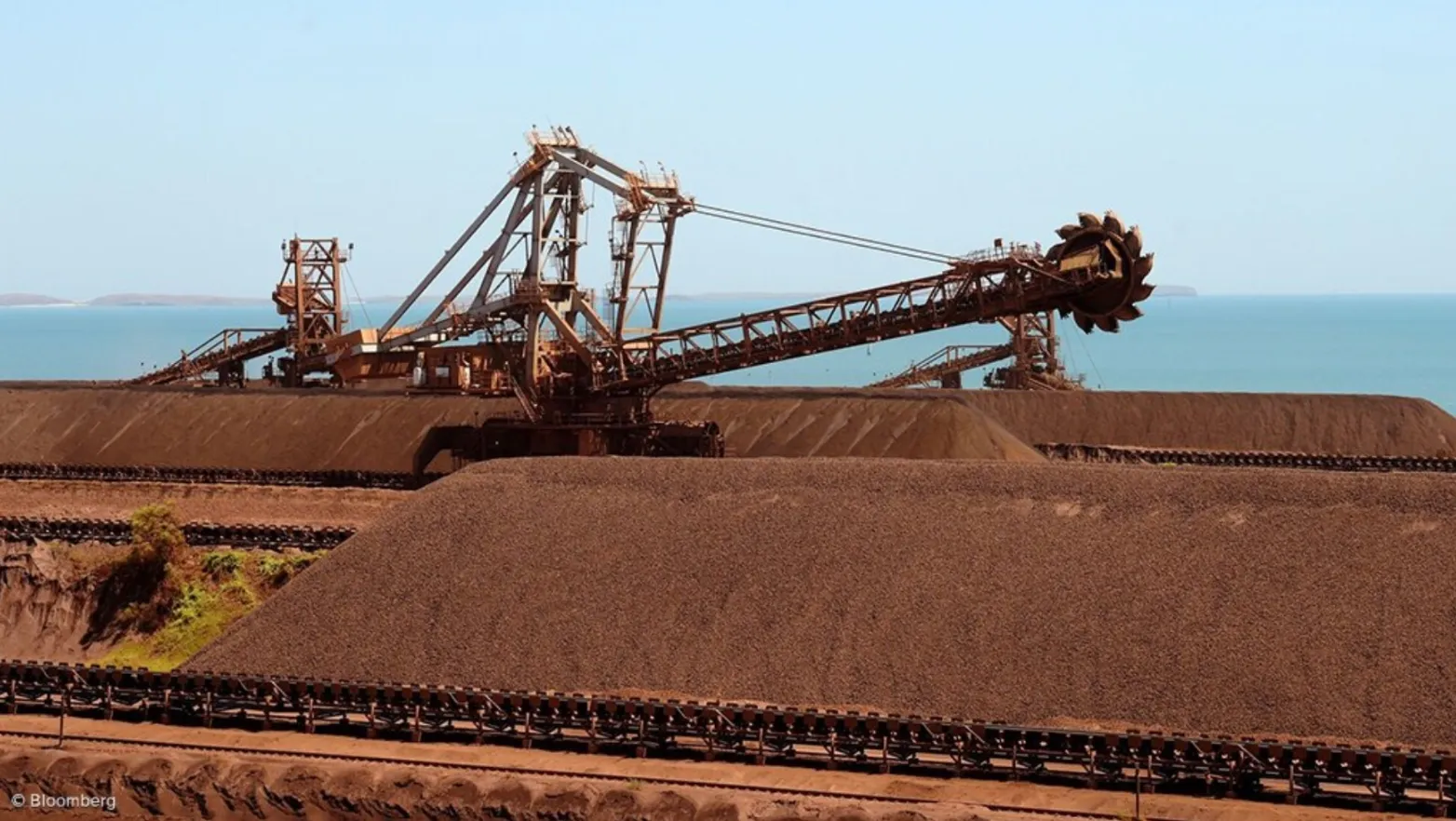
Iron ore makes up 18% of Australia’s export base, making it the single biggest export, with China being the biggest buyer. Weakness in China’s property and construction sectors has reduced steel demand, contributing to lower demand for Australian iron ore.
Demand for new dwellings in China is currently weak as infrastructure investment has fallen by 4% while real estate investment fell by 19.9%. China’s steel industry association has also just pushed mills to cut production, due to a large oversupply.
Iron ore prices fell to around US$95 per tonne in early September, compared with approximately US$100 in June. Lower commodity prices can reduce Australia’s export revenue and weaken the balance on goods and services, which recorded a $5.1 billion deficit in the June quarter.
On a brighter note, gold prices have been rising. Rising prices are expected to make gold Australia’s second-largest resource export, with prices forecast to average around US$4,862 per ounce in 2026/27. Gold often rises during periods of uncertainty because investors see it as a safe-haven asset.
Despite stronger gold exports, Australia recorded a $27.2 billion current account deficit in the June quarter. This reflects both the goods and services balance and Australia’s large net primary income deficit, including interest, dividends and profits paid overseas.

4. Consumer confidence falls
The Westpac Consumer Sentiment Index fell by 5.2% to 84.4 in September. A reading below 100 means pessimists outnumber optimists.
Consumers cited higher fuel prices, expectations of further interest rate rises and concerns about unemployment as key reasons for weaker confidence.
Lower confidence can reduce household consumption and increase precautionary saving, weakening aggregate demand. This is one way contractionary monetary policy can slow economic growth and reduce inflation.
However, the September fall occurred before the RBA’s 29 September rate rise, meaning it more likely reflects earlier rate increases, cost-of-living pressures and expectations of further tightening.
![[HSC] Economist: 17th October](/assets/blog/hsc-economist/hsc-economist-17th-october/image.webp)

![[HSC] Economist 1st - 12th June](/assets/blog/hsc-economist/hsc-economist-1st-12th-june/image.webp)
![[HSC] Economist: 13th June](/assets/blog/hsc-economist/hsc-economist-13th-june/image.webp)