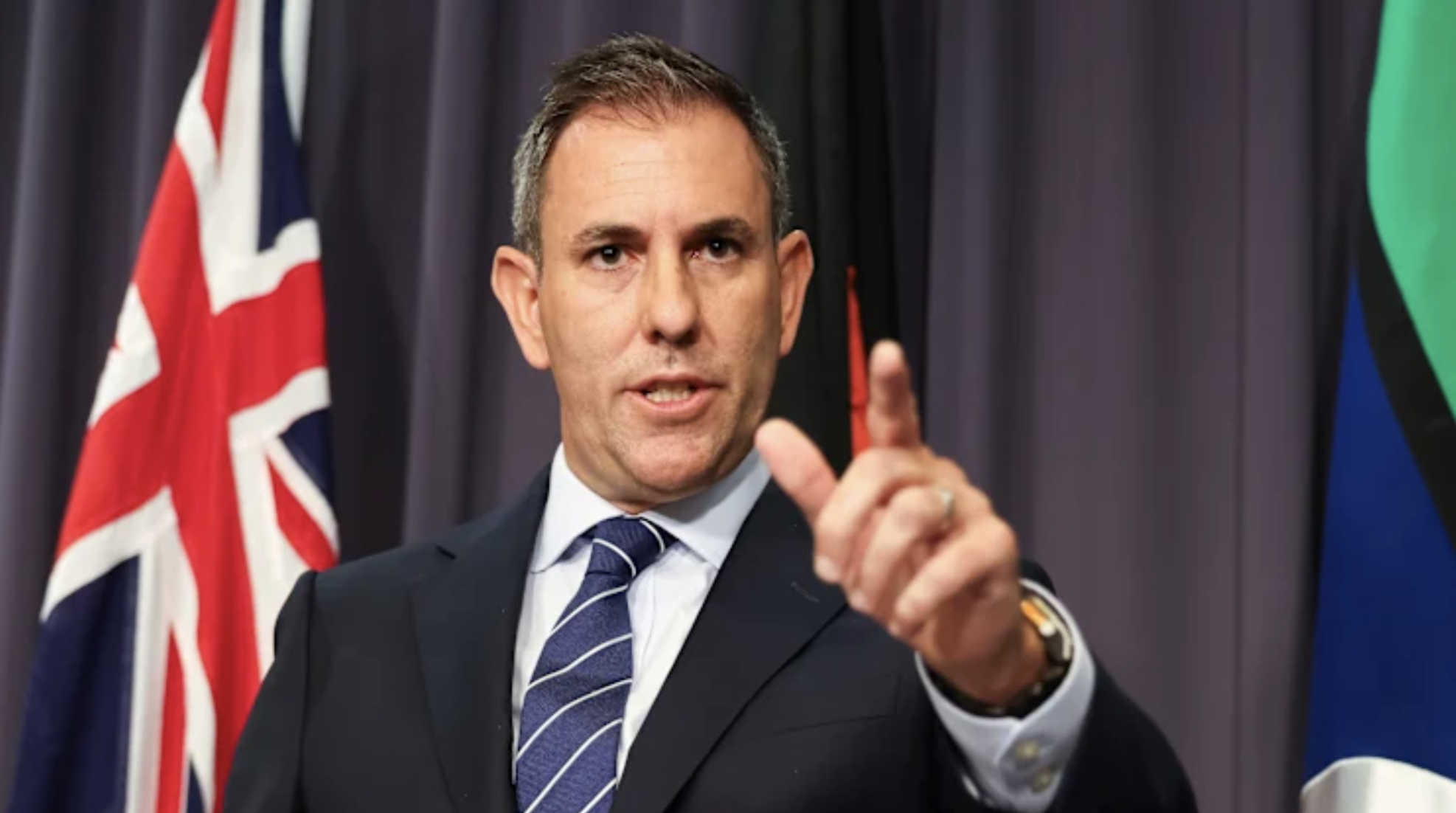

In December, the Mid-Year Economic and Fiscal Outlook (MYEFO) will be released, and Treasurer Jim Chalmers is tasked with cooling inflation without pushing an already fragile economy towards recession.
What does the budget include?
The focus of the budget update is what Chalmers has labelled a large savings package involving spending cuts. He was careful to state that the cuts would be “enough, but not too much”. This means they will hopefully ease inflationary pressure without endangering growth. The government’s broader plan includes tax cuts, more bulk billing, housing and investment in skills, technology and AI. Chalmers has also promised red-tape reductions, including a simplification of fringe benefits tax rules. This is expected to save businesses around $15 million a year.
What is shaping the budget?
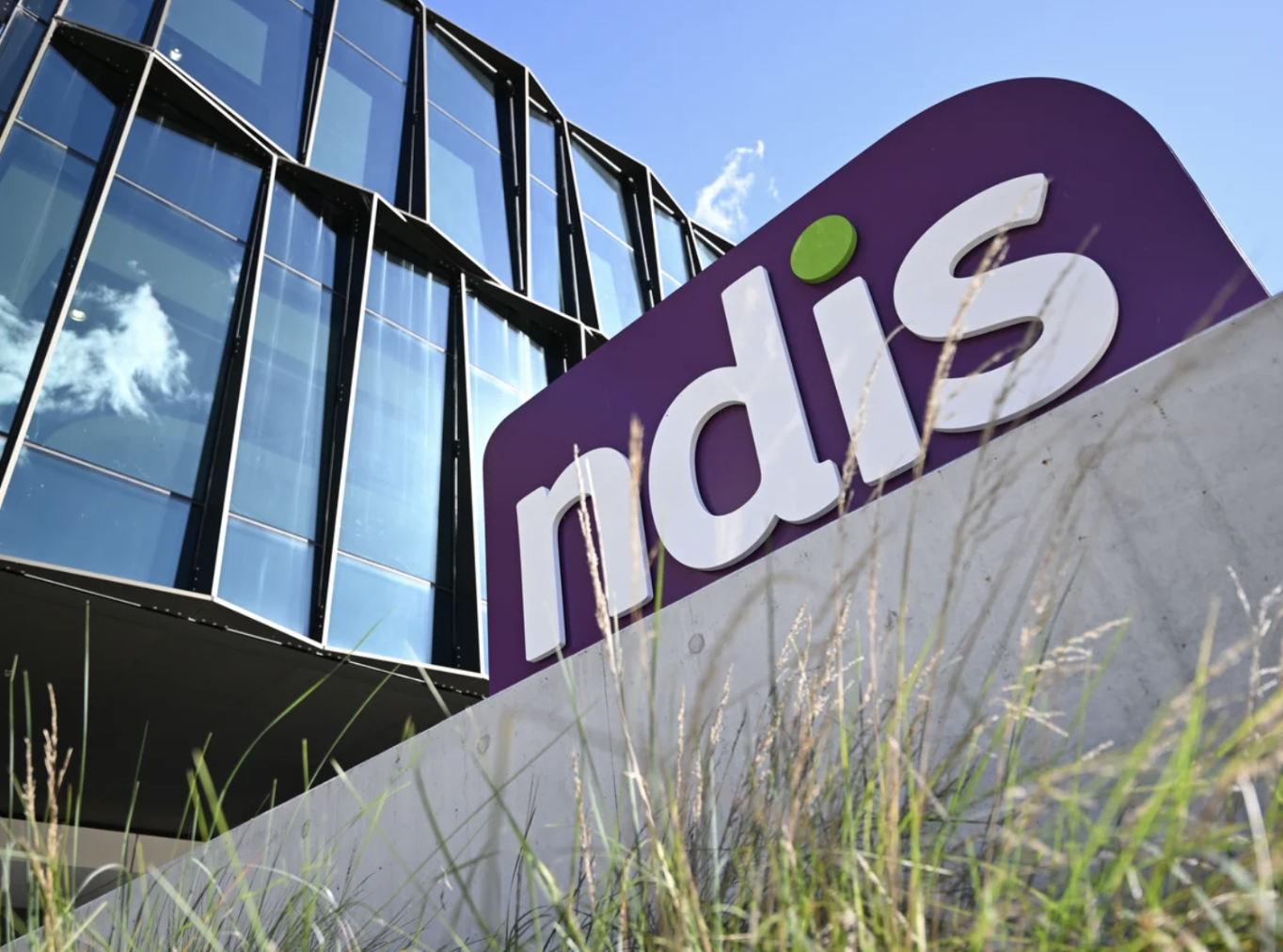
Caption under photo: The NDIS is among the areas under scrutiny as the government looks for savings.
Inflation rose to 4.9% in October, and the RBA has raised rates five times since the beginning of 2026. The RBA forecasts that inflation will return to the midpoint of its 2–3% target range by mid-2028, with RBA Governor Michele Bullock warning that many firms view 3–3.5% inflation as the “new normal”. This has put pressure on Chalmers to tighten fiscal policy while the RBA keeps monetary policy restrictive.
Additionally, the Centre for Independent Studies estimates that total government spending has reached 40% of GDP, up from around 35% before the GFC and the pandemic. NAB chief Andrew Irvine has stated that “It is undoubtedly true that additional public-sector spending in an environment where we have poor productive supply capacity is unhelpful,” arguing that government borrowing can lead to crowding out. This occurs when government borrowing increases demand for loanable funds, raising borrowing costs and potentially reducing private investment.
Much of the growth in government spending has been in services including the NDIS, aged care and childcare. These services tend to be labour-intensive, which can make it harder to increase output per worker without affecting the quality of care. This can weigh on measured productivity growth across the economy.
Another factor shaping the mid-year budget is public opinion. AFR polling found that 54% of voters prefer cutting spending to reduce the deficit, with only 7% supporting the idea of raising taxes. The business community is also increasingly frustrated, with industry leaders criticising government spending levels and changes to capital gains tax concessions.
Finally, a weakening labour market is limiting how much Chalmers can cut spending. Unemployment rose to 4.9% in October, reaching that level sooner than the RBA had expected. Youth unemployment has also increased. Deep spending cuts could worsen the current slowdown.
What is the impact likely to be?
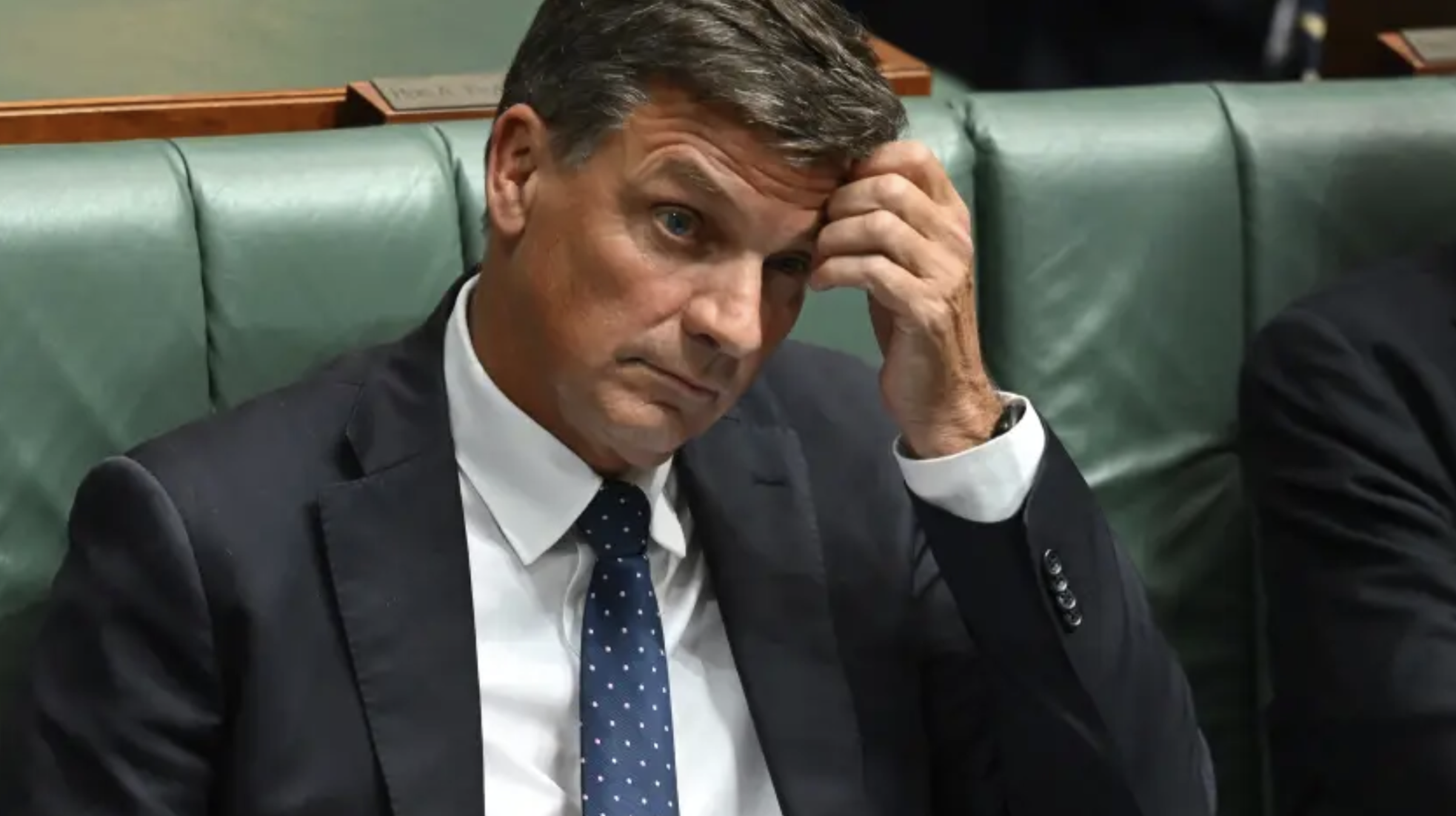
Caption under photo: Coalition leader Angus Taylor has criticised Labor’s approach to the mid-year budget update.
Provided the government delivers sufficient net savings, lower aggregate demand could ease inflation and give the RBA room to cut rates. After the latest jobs data, traders scaled back expectations of a sixth rate rise, although the subsequent rise in inflation tempered expectations for rate cuts.
However, some economists argue that the outlook has already deteriorated. HSBC’s Paul Bloxham has warned that stagflation and recession are now concerns. Betashares’ David Bassanese has stated that the economy already has ‘one foot in recession’, with UBS analysts expecting unemployment to rise to 5.25%.
Finally, Labor faces criticism from across the political spectrum. Free-market critics including Michael Stutchbury argue that the cuts do not go far enough, while the Coalition argues that its own $31.3 billion savings package would be more effective. On the other hand, the Greens have likened the cuts to ‘austerity measures’, with their leader Larissa Waters arguing that households should not have to pay for inflation while big corporations continue to make large profits.
Conclusion
Treasurer Chalmers is in a difficult position. Cutting too little could allow inflation to persist, while cutting too much could risk pushing the economy into recession. The MYEFO will show how the government plans to balance those risks.