
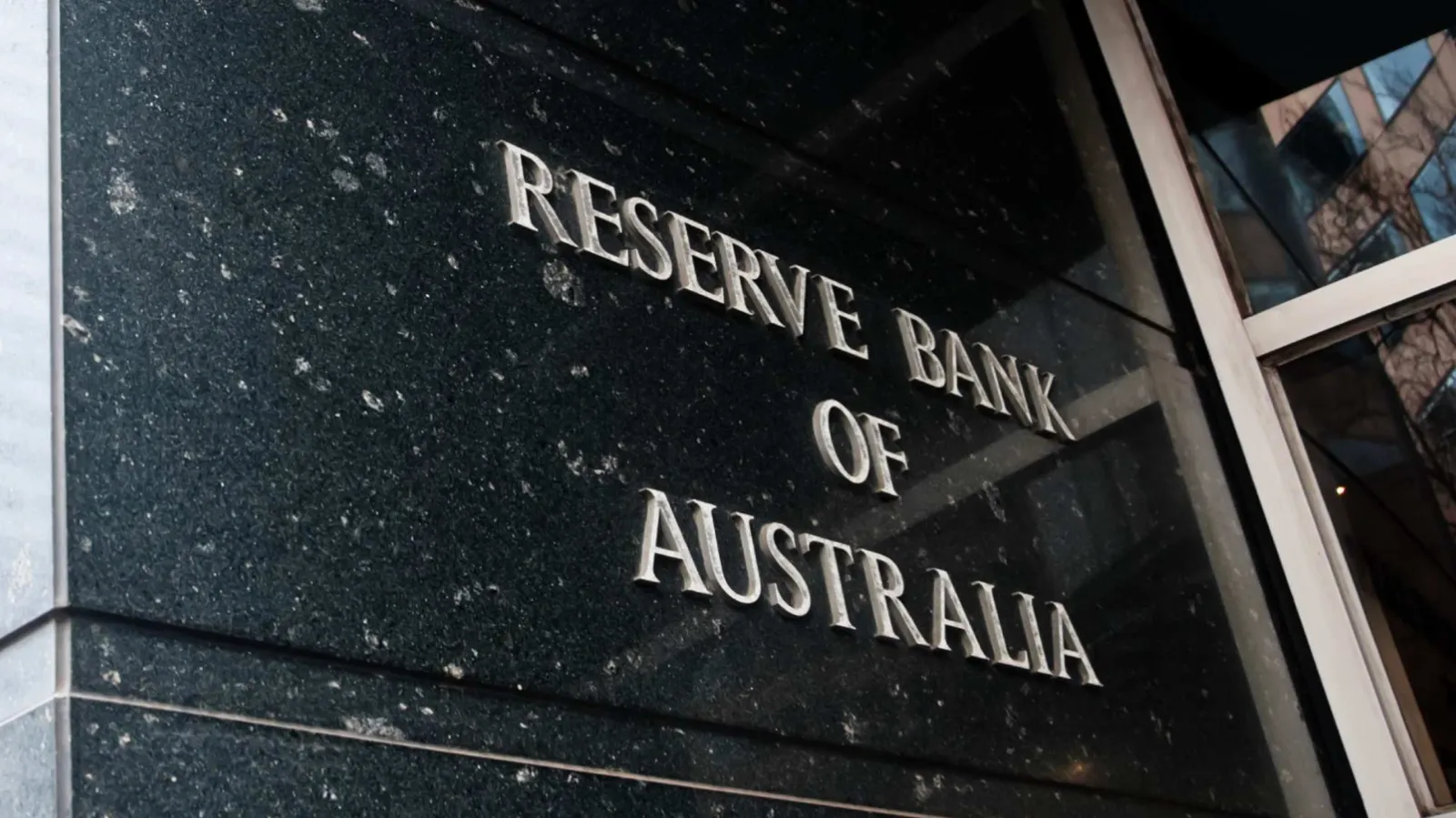

1. RBA holds cash rate steady
Following the RBA’s June 16th meeting, the cash rate was kept steady at 4.35%. This has come after three rate hikes earlier in 2026. The RBA’s contractionary stance has proved effective, with headline inflation coming down from 4.2% in April now to 4%.
Nonetheless, inflation remains outside of the RBA’s target band (2-3%), thanks to a unique combination of both demand and cost pressures:
- Demand pull inflation arises when growth in aggregate demand (AD) outpaces growth in aggregate supply. One key component of AD is business investment, which has reached decade highs recently. Non-mining investment has grown significantly at 8.6% over the year, attributed to AI and technology industries increasingly seeking to capture the productivity and profit potential AI can bring.
- A limitation of monetary policy is its 6-18 month time lag before it takes full effect. Firms and individuals need time to adjust their spending and saving habit therefore, the lower interest rates from 2025 are only starting to take effect now. This further fuels consumption and contributes to demand pull inflation. As a result, the RBA seeks to maintain a high rate now to prevent consumption and inflation from becoming an issue in the next 18 months.
- In recent times, inflation has also been increased by higher oil prices, primarily caused by conflict in the Middle East (which has constrained oil supply). Despite the RBA’s high cash rate, it cannot protect the economy from overseas events, highlighting how global influences can inhibit policy effectiveness.

2. Falling home values suggest economic growth may slow over the coming year
Australia’s housing market is beginning to cool. Cotality’s national Home Value Index fell by 0.4% in June, the sharpest monthly decline in dwelling values since December 2022. This may provide some relief for first home buyers, although high interest rates still make borrowing more expensive.
The fall in home values has been influenced by several factors. These include the RBA’s tighter monetary policy stance, with the cash rate currently at 4.35%, as well as recent Federal Budget changes to negative gearing and capital gains tax concessions, which have reduced the attractiveness of some investment properties.
This links closely to the asset-price transmission mechanism of monetary policy. When interest rates are high, mortgage repayments become more expensive and households can borrow less. As a result, demand for property falls, placing downward pressure on home values.
Falling home values can also affect the wider economy through the wealth effect. When property owners see the value of their home decline, they may feel less wealthy and become less willing to spend. Since consumption is a major component of aggregate demand, weaker consumer spending can reduce aggregate demand and slow economic growth.
Therefore, the cooling housing market is not just important for buyers and sellers. It can also be seen as a sign that higher interest rates are flowing through the economy and that economic growth may slow over the coming year.
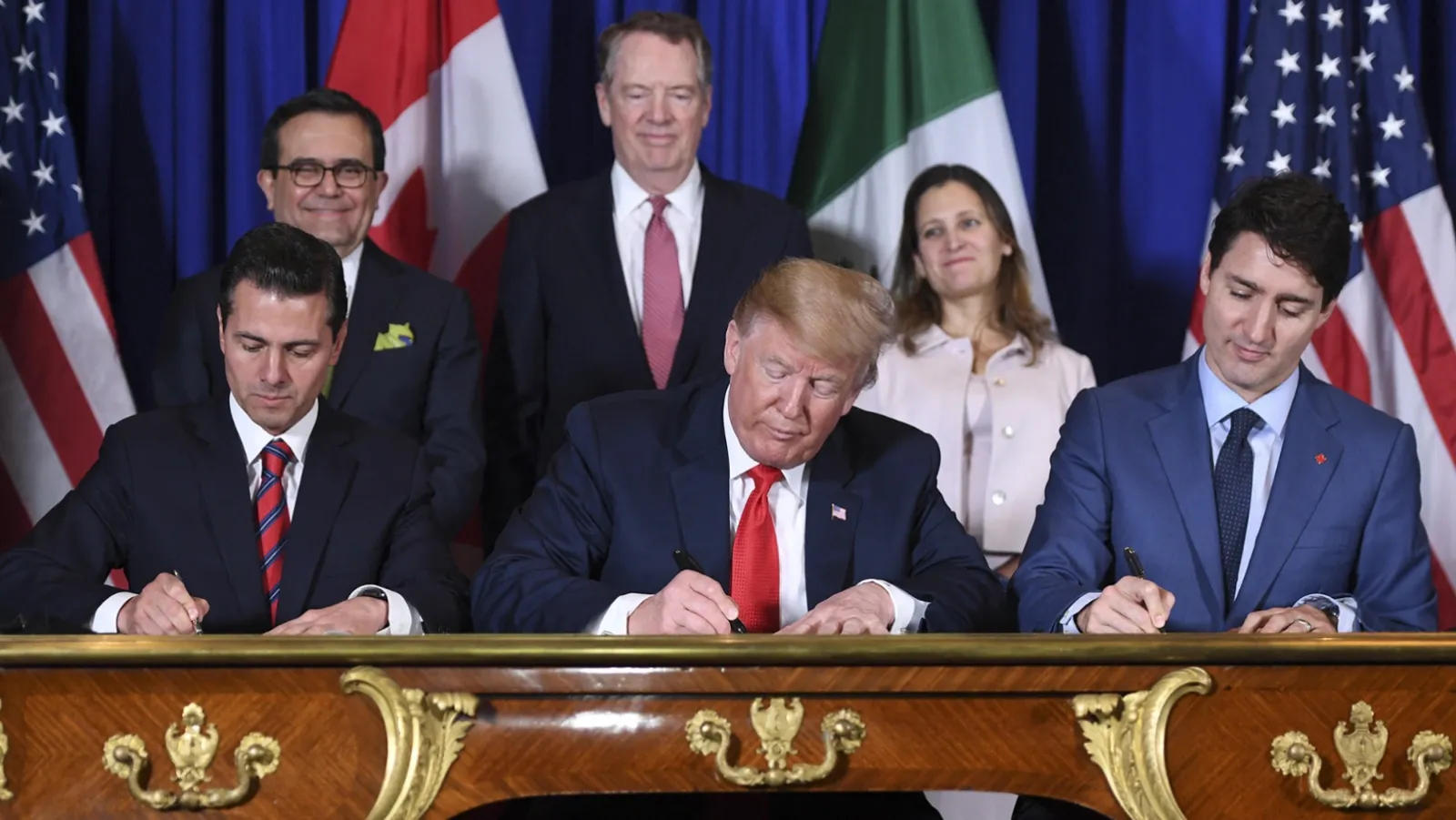
3. Future of USMCA becomes uncertain
The future of the USMCA, the trade agreement between the United States, Mexico and Canada, has become more uncertain after the US declined to automatically extend the agreement for another 16 years.
For students studying Topic 1, the USMCA is a useful example of a regional trade agreement. It replaced NAFTA in 2020 and aimed to promote freer trade across North America by reducing barriers between the three economies.
Importantly, this does not mean the USMCA has ended. The agreement is still in force, meaning businesses can still trade under its existing rules. However, because the US has not agreed to the automatic 16-year extension, the agreement will now face annual reviews. This creates uncertainty, as the US may use these reviews to negotiate for changes that are more favourable to American industries.
The US’s reluctance to continue the agreement in its current form is partly linked to its large goods trade deficits with Mexico and Canada. A trade deficit means the US imports more goods from these countries than it exports to them. Trump has argued that these deficits show the US is being “ripped off” by its trading partners.
This links closely to the reasons for protection in the syllabus. While free trade can increase efficiency, lower prices and expand consumer choice, it can also expose domestic firms to greater foreign competition. This may lead to structural unemployment if local industries decline because they cannot compete with cheaper or more efficient overseas producers.
For this reason, some politicians argue that protectionist policies are necessary to defend domestic industries and jobs. From this perspective, the gains from free trade may not be enough to offset the costs faced by workers and firms in import-competing industries.
The uncertainty around the USMCA therefore highlights a major tension in the global economy: while trade agreements promote freer trade, governments may retreat from them when domestic political pressure rises.

4. Unemployment rate falls close to the NAIRU
On 25 June, the ABS released Australia’s May labour force figures, showing that the unemployment rate fell to 4.4%, down from 4.5% in April but slightly above the 4.3% recorded in March.
This places unemployment close to, and possibly below, some estimates of the Non-Accelerating Inflation Rate of Unemployment, or NAIRU. The NAIRU refers to the lowest unemployment rate that can be sustained without causing wages growth and inflation to accelerate.
Students may wonder, what is the problem with low unemployment? In general, lower unemployment is positive because more people have jobs and household incomes rise. However, it can also create a policy conflict between lower unemployment and lower inflation.
When unemployment is very low, there are less available workers in the labour market. This means firms need to increase wages to attract and retain workers. Some firms may also need to hire less experienced workers, increasing training costs and reducing productivity in the short term. These higher labour costs can then be passed on to consumers through higher prices, contributing to cost-push inflation.
This helps explain why the RBA has maintained a contractionary monetary policy stance, with the cash rate held at 4.35% in June. The RBA is trying to reduce inflationary pressure, but doing so may also slow economic growth and increase unemployment over time.\
![[HSC] Economist: 25th July](/assets/blog/hsc-economist/hsc-economist-25th-july/image.webp)

![[HSC] Economist: 7th March](/assets/blog/hsc-economist/hsc-economist-7th-march/image.webp)
![[HSC] Economist: 20 September](/assets/blog/hsc-economist/hsc-economist-20-september/image.webp)

![[HSC] Economist 26 Mar - 7 Apr 2026](/assets/blog/hsc-economist/hsc-economist-26-mar-7-apr-2026/image.webp)