

🪙 The Aussie dollar is an unexpected winner from the Middle Eastern conflict
Aussie dollar becomes unlikely G10 powerhouse during the war
The Aussie dollar has been extremely resilient in the midst of the conflict in the Middle-East, falling less than 3% against the US dollar to around US69¢ and remaining up almost 4% since the start of the year.
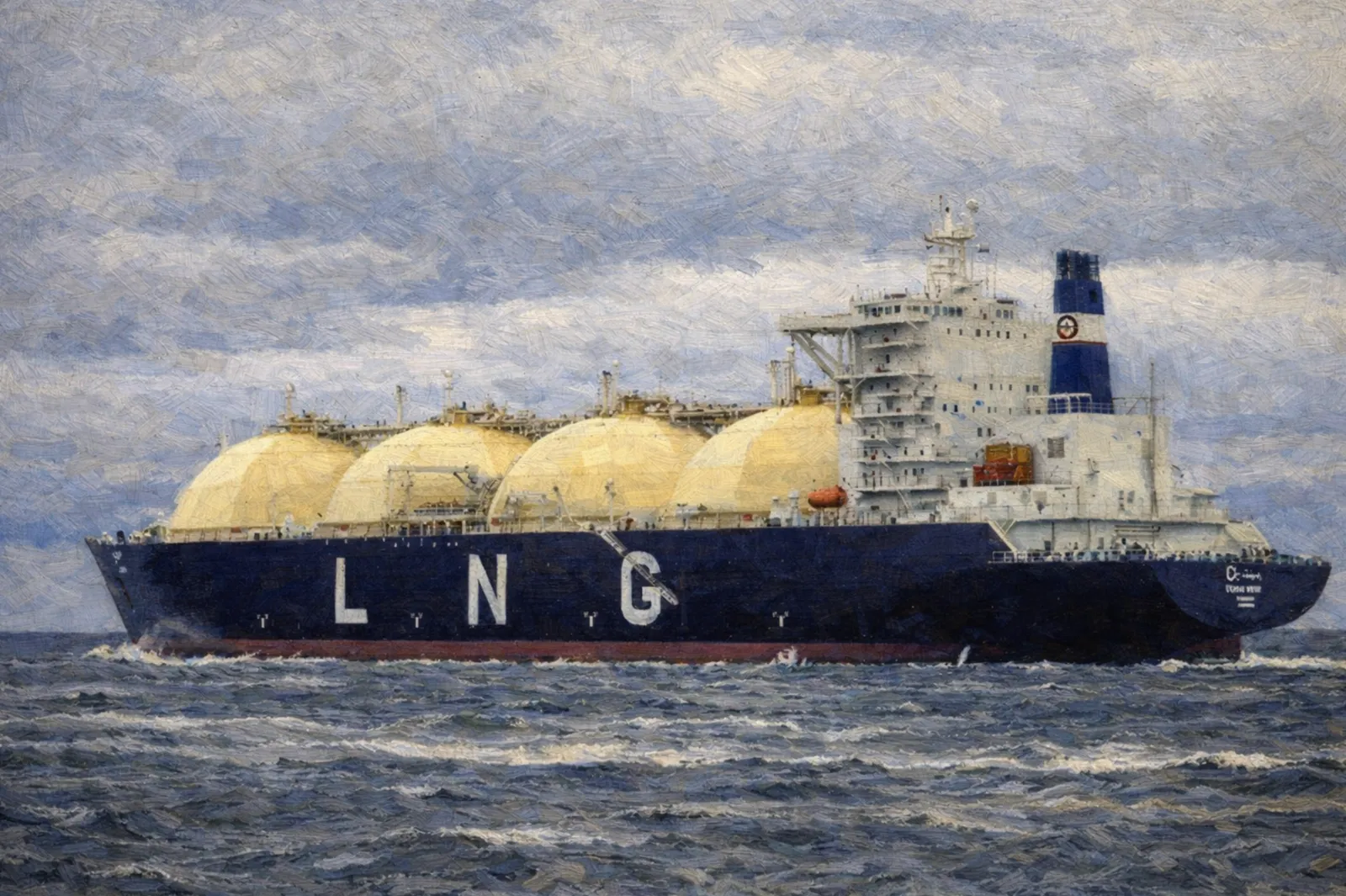
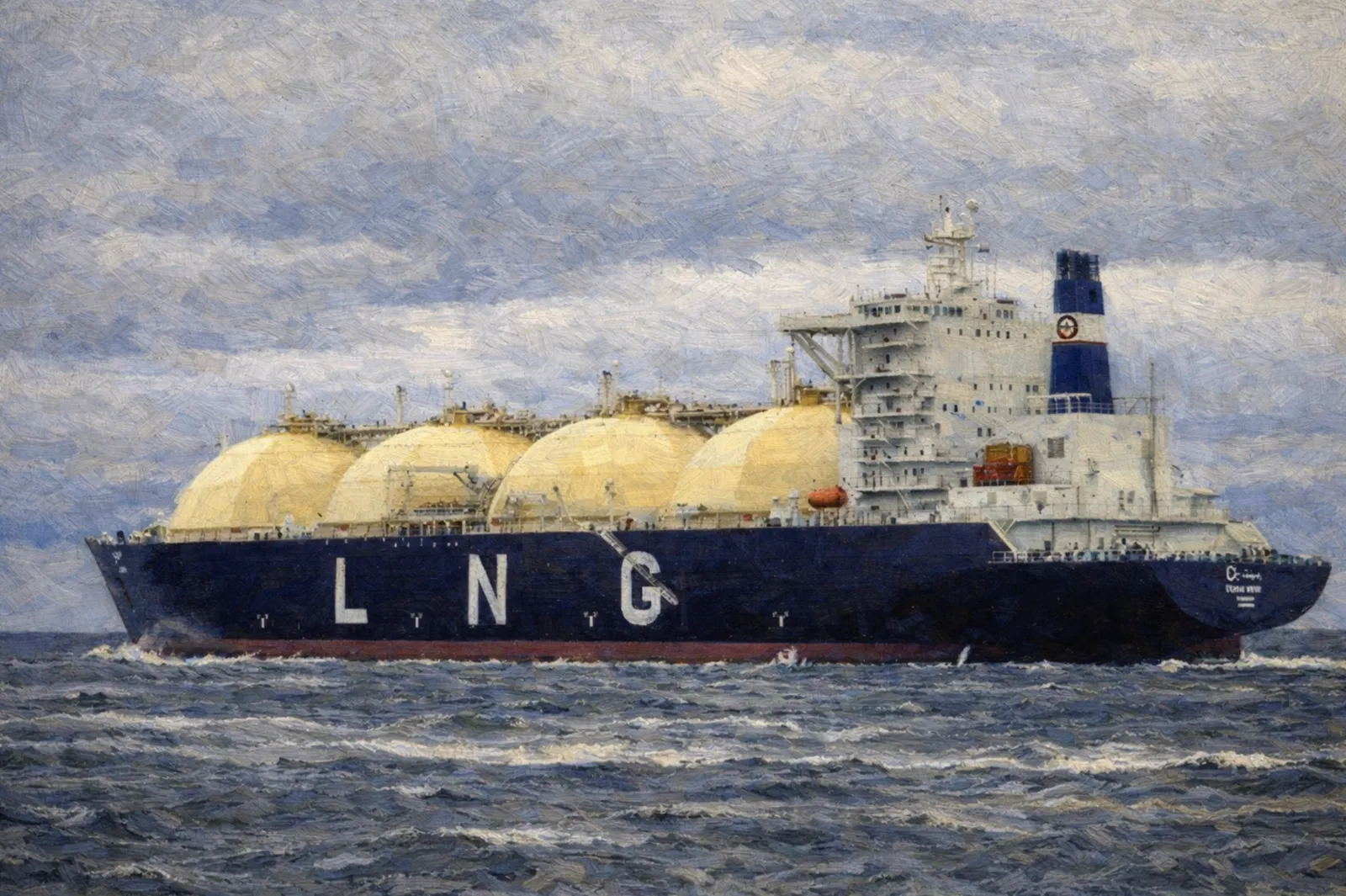
This mainly comes down to two reasons. Firstly, Australia is a major energy exporter in its LNG and coal industries, the very commodities Asian nations are scrambling to secure as Gulf energy supplies are choked off. For example, Newcastle coal prices have risen ~20% since the conflict began, and demand is being redirected towards Australian suppliers. These energy exports act as a floor for the currency; that is, even if the war were to escalate, Australia’s commodity exposure prevents an overt downside.
Secondly, the RBA is the only G10 central bank raising interest rates during the conflict. With the cash rate at 4.10% after two hikes this year, and an expectation of at least two more, Australia now offers extremely high yields relative to its G10 counterparts, allowing a strong inflow of capital as investors seek the highest returns.
The conflict is also accelerating a broader shift in how the world handles money. For decades, the US provided military protection to oil-rich Gulf nations, and in return, global oil was priced and traded in US dollars, keeping demand for the greenback high. But with the US now actively involved in strikes against Iran, Gulf countries are questioning whether that security deal still works for them, and are starting to move their money out of US investments.
This is part of a wider trend. Central banks around the world, the institutions that manage each country’s money supply, have been selling US government bonds and buying gold instead. Foreign ownership of US debt has dropped from about half to a third over the past decade, and for the first time in roughly 20 years, central banks hold more gold than US Treasuries. In simple terms, the world is becoming less reliant on the US dollar as its go-to safe asset.
That shift benefits currencies like the Aussie. Australia holds a AAA credit rating, the highest possible score for a country’s ability to repay its debts, and is a net energy exporter, meaning it sells more energy than it imports. Only Canada and Norway share both of those qualities. As confidence in the US dollar weakens, investors seeking stable, well-backed alternatives are increasingly turning to currencies like the Aussie dollar.
![[HSC] Economist: 5-12 July: Globalised Financial System, Economic Multiplier and Social Housing](/assets/blog/hsc-economist/hsc-economist-5-12-july-globalised-financial-system-economic-multiplier-and-social-housing/image.webp)

![[HSC] Economist: 16 August: Financial Markets, China-Australia Trade War](/assets/blog/hsc-economist/hsc-economist-16-august-financial-markets-china-australia-trade-war/image.webp)
![[HSC] Economist: 16 – 22 Feb 2026](/assets/blog/hsc-economist/hsc-economist-16-22-feb-2026/image.webp)
![[HSC] Economist: 22nd August](/assets/blog/hsc-economist/hsc-economist-22nd-august/image.webp)