
1. Unemployment rises to five year high
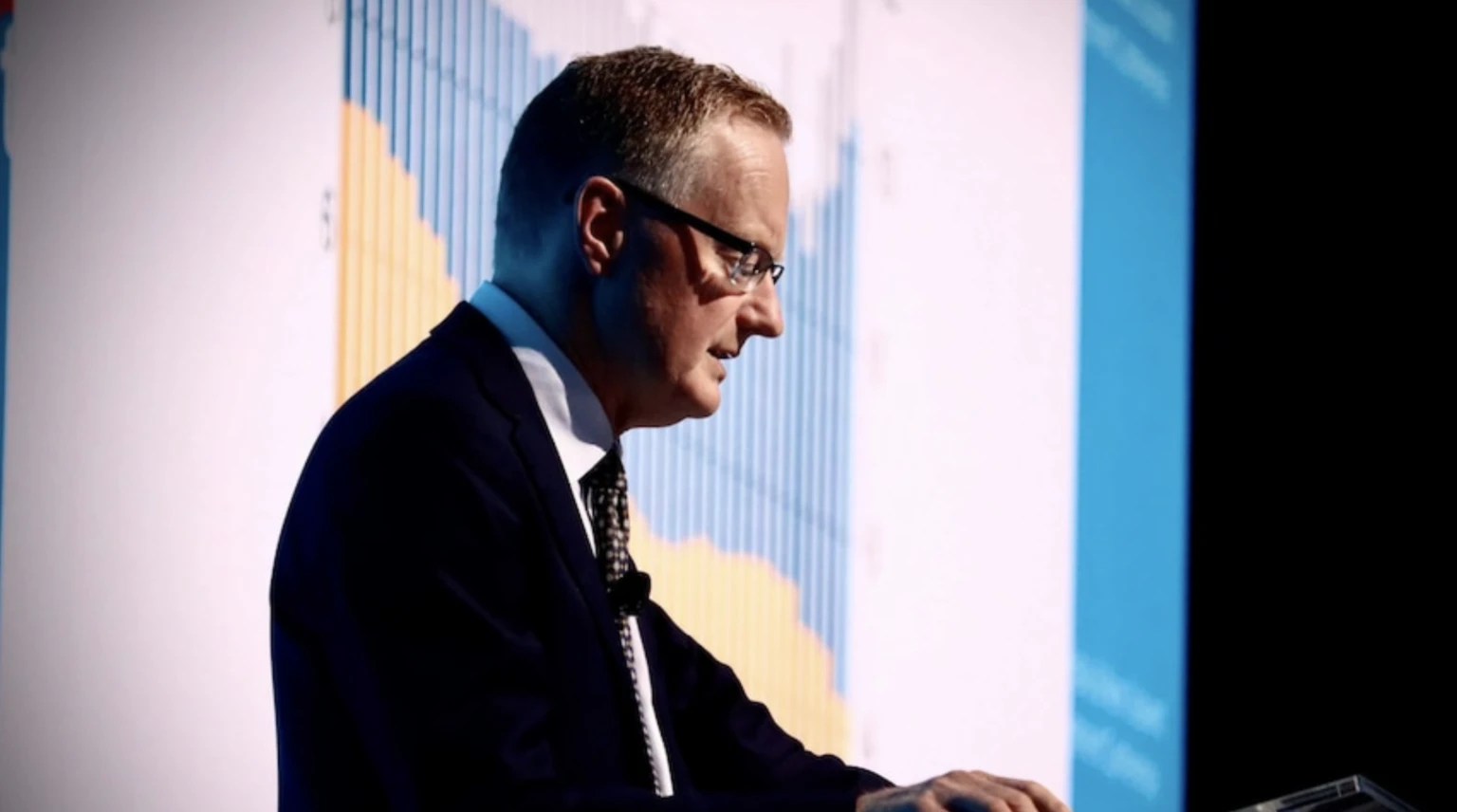
Australia’s labour market is showing signs of weakness, with 39,300 jobs lost in September compared to August’s 29,300 gain. This has pushed the unemployment rate to 4.7%, up 0.3% from last year and its highest level in nearly five years.
Underemployment also rose to 6.3%, suggesting more Australians are working fewer hours than they would like. Together, these figures indicate growing spare capacity in the labour market, as businesses become more cautious about hiring and offering additional hours.
One explanation is the impact of contractionary monetary policy. The RBA has raised the interest rate four times this year to its highest rate since 2011, with the goal of combating inflation, increasing borrowing costs for households and businesses. Higher mortgage repayments reduce household disposable income, and more expensive business loans discourage investment. As aggregate demand weakens, businesses may respond by reducing hiring or cutting staff.
It’s important to note that the causes of unemployment are not all demand side. Rising oil prices continue to increase the cost of production and transport, and are contributing to cost-push inflation while reducing household purchasing power. There are also more people looking for work, which could be due to higher living costs which push retirees and students to enter the workforce.
The RBA now faces a difficult trade-off between inflation and unemployment. Cutting interest rates could stimulate consumption, investment and employment, but risks reigniting inflation.
Maintaining restrictive monetary policy could help contain price pressures, but may contribute to further job losses. This dilemma has become even more pronounced following the release of September’s inflation figures on 28 October. Annual headline inflation increased to 4.3%, while underlying inflation reached 3.6%, highlighting the challenge of supporting employment while restoring price stability.

2. China-EU Trade Relations Experience Tensions
Trade tensions between China and the EU are escalating as governments increasingly turn towards protectionist policies to defend domestic industries.
Since the imposition of hefty tariffs on Chinese goods by the US, China has turned to Europe to fill the gap. However, the rapid expansion of Chinese vehicle exports has raised concerns among European manufacturers about their ability to compete.
On 8-9 October, China and the EU reached a limited deal in Beijing, with China agreeing to a quota cap to its hybrid car EU exports to 350,000 units in 2027, with quotas increasing by 6% annually thereafter.
The agreement highlights a key motivation behind protectionism: protecting domestic industries and employment from foreign competition.
Europe dubs this “China Shock 2.0”, referring to the potential disruption caused by an influx of competitively priced Chinese manufactured goods. Chinese EV manufacturers such as BYD have benefited from government support, allowing them to expand production and compete aggressively on price - BYD alone received RMB1.8B in state funding last year.
Europe’s manufacturing powerhouse, Germany, has expressed great worry that a market flooded with too many Chinese EVs could constitute dumping. French president Macron and German Chancellor Merz co-signed a letter calling for a tool to restrict China’s access into their domestic markets. However, many politicians doubt Germany’s capacity to be ‘tough’ on China, given that it is still their biggest trading partner. Adopting an overtly aggressive trade policy could result in Chinese retaliation (which would be disastrous as China is supplying 64% of Germany’s lithium imports and 66.3% of its smartphones).
The EU therefore faces a trade off between protecting domestic industries and preserving the benefits of free trace. While protectionism may provide temporary relief for European manufacturers, it could also contribute to higher consumer prices, reduced efficiency, and greater global trade tensions.

3. Housing Downturn
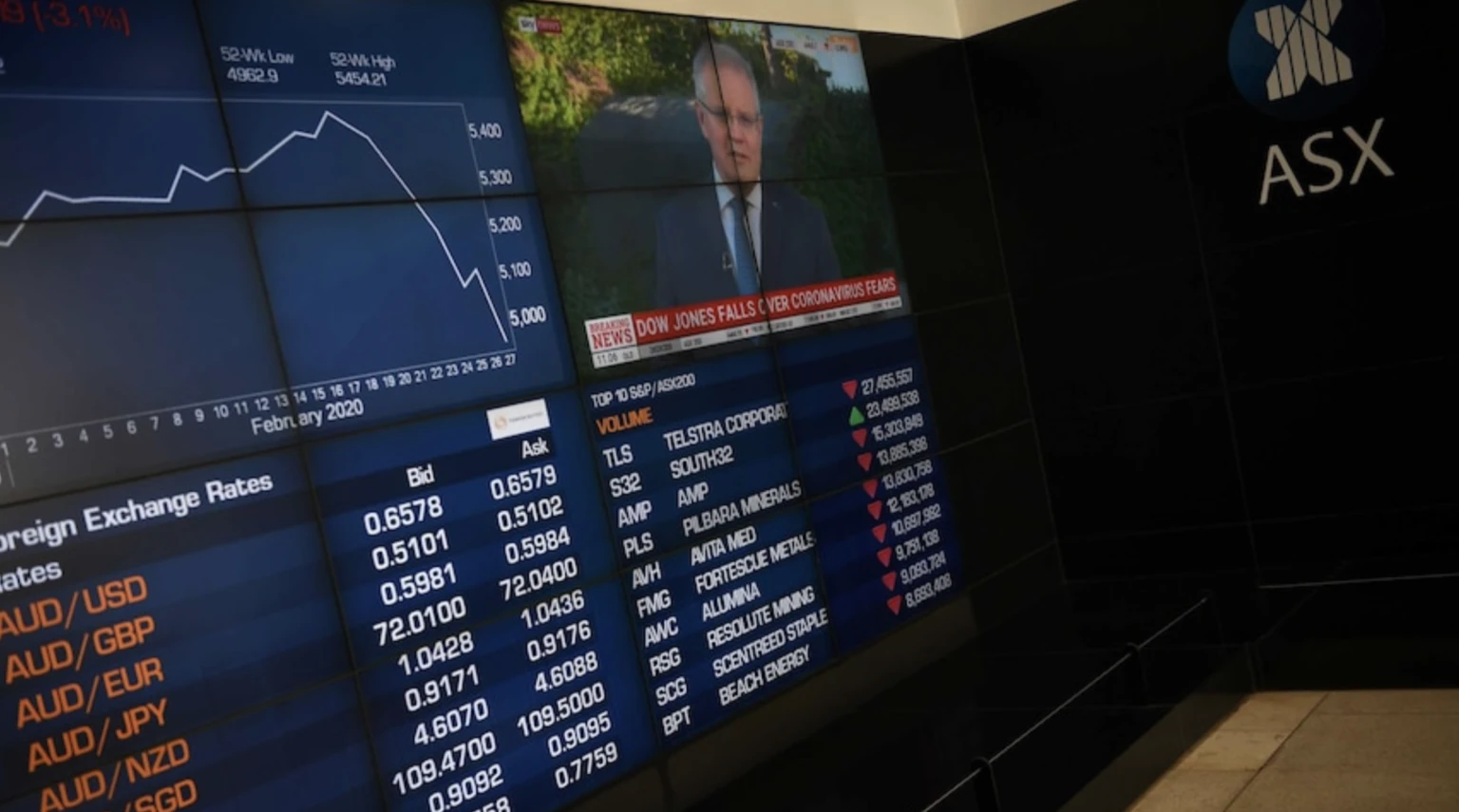
Australia’s housing market is experiencing a significant downturn, with some analysts warning that it could be the country’s deepest property correction in 40 years.
According to Cotality, Australia’s Home Value Index fell by 1.1% in September, marking the sixth consecutive month of declining property values. National housing prices are now 5.2% below their March peak, while 97% of capital city suburbs recorded price declines over the three months to September.
Brisbane experienced the largest monthly decline among capital cities, with prices falling 1.5% followed closely by Sydney at 1.4%.
A major contributor to this downturn has been contractionary monetary policy. This can be explained through the asset-price channel of monetary policy transmission: Higher cash rate → Higher mortgage interest rates → Reduced borrowing capacity and housing demand → Downward pressure on property prices.
As mortgage repayments increase, households become less willing or able to take on large loans. This reduces demand for housing, placing downward pressure on prices. The downturn may initially appear welcome news for first-home buyers. However, falling property prices do not necessarily translate into greater housing affordability. Although buyers may require smaller deposits and loans, elevated mortgage interest rates continue to increase repayment costs and constrain borrowing capacity.
The consequences also extend beyond homeowners. State governments rely heavily on stamp duty revenue, meaning falling property prices and fewer transactions can weaken government revenue.
Another important consequence is the wealth effect. When house prices decline, homeowners may feel less wealthy and become more cautious about spending. This can reduce household consumption, contributing to weaker aggregate demand and slower economic growth. Looking ahead, analysts have warned that national property prices could experience peak-to-trough declines of 10–15%, although the extent of the downturn will depend on future interest rate decisions, household incomes and housing supply.
Ultimately, Australia’s housing downturn demonstrates how monetary policy can influence not only inflation and borrowing costs, but also household wealth, consumption and broader economic activity.
4. Productivity Commission Proposes Major Economic Reforms
Productivity refers to the amount of output per unit of input, such as output per hour worked. Higher productivity allows businesses to produce more efficiently, supporting stronger economic growth, rising real wages and improved living standards.
Australia’s slowing productivity growth has become an increasingly important economic challenge, with the Productivity Commission (PC) indicating Australia’s productivity growth over the past decade has been a quarter of its long term average.
This can be attributed to various factors including weak business investment, slower technological adoption, and the growth of the public sector. To remedy this, the PC has proposed 47 reform recommendations across five key areas: corporate tax, workforce skills technology, care services, and energy transition.
One of the more controversial proposals involves reforming the corporate tax system. The PC proposed reducing the company tax rate to 20% for small to medium businesses with revenues less than $1B, and 28% for larger firms. This is accompanied with a new 5% net cashflow tax, designed to offset the cost of lower company tax rates while encouraging productive investment.
This will free up more funds for capital expenditure, and the PC claims this could lift GDP by 0.7%, while raising investment by 2%.
The economic rationale behind this is increasing aggregate supply through spending more on equipment, businesses will be able to produce more with less resources.
The PC also recommended strengthening literacy and numeracy through improving teaching resources, making the workforce more likely to enter higher education and thus become more productive. This has not been met without backlash - the Business Council of Australia alongside the Tech Council argue that the experimental tax has never been tested elsewhere in the world and could trigger higher inflation. For the coming budget, it seems relatively unlikely the government will adopt the tax changes, as they have already used their tax reform appetite on negative gearing initiatives.